A growing body of evidence shows that SEND learners are caught in a critical contradiction: they benefit most from AI-powered personalised learning, yet are often required to access it through screens that may heighten cognitive, sensory, and emotional strain. As governments tighten protections around children’s digital exposure, this tension becomes urgent. A new approach — screen-free, voice-first AI — offers a timely and hopeful path forward.
The UK government has announced a ban on social media for under-16s, backed by 9 in 10 parents, with protections expected in force by Spring 2027. The message is clear:
When it comes to children's development, more screen time is not the answer.
Yet for SEND families, a troubling contradiction remains. While society grows more cautious about digital exposure, most educational AI tools are delivered through a screen. SEND learners are essentially asked to spend more time on the very medium policymakers, researchers and parents are increasingly questioning.
The numbers tell the story:
The UK government's screen time guidance for under-fives advises: "Limit total screen time for young children, wherever possible." But for families caught between two difficult realities — their children need support, yet screens may do more harm than good — the guidance offers no meaningful alternative.
The challenge is becoming more urgent because AI is rapidly entering classrooms and homes. Most AI learning tools are delivered through tablets, laptops and smartphones. While these systems promise personalised support, they often assume that more intelligence requires more screen engagement.
For SEND learners, that assumption may be backwards.
This is the AI accessibility paradox: the learners who stand to benefit most from AI are often the most vulnerable to the negative effects of prolonged screen exposure.
The answer lies in separating intelligence from the interface. AI does not need a glowing rectangle to function. By delivering voice-first, vision-synchronized AI support, we can give SEND learners the support they need:
That is how the AI accessibility paradox might be solved.
As one educator put it, "technology should never replace the human connection in teaching, but when used thoughtfully, it can give SEN pupils the independence and confidence they need to thrive".
CurioCam embodies that thoughtfulness. By removing the screen while keeping the intelligence, it offers SEND learners what they have always needed: support that meets them where they are, without asking them to sacrifice their wellbeing in the process.
The ban on social media sets a precedent: we are now questioning digital exposure itself. The same scrutiny must apply to AI-powered learning tools.
If screen-free AI succeeds for SEND learners — who are most vulnerable to sensory overload, communication barriers, and cognitive fatigue — it will succeed for everyone. What begins as a lifeline for learners with additional needs could ultimately redefine how all children interact with AI. Not through a screen. Through conversation, curiosity and connection.
CurioCam is a screen-free, voice-first, vision-aligned wearable device that delivers AI-powered learning without relying on a screen. To see how this approach is being tested, explore our SEND pilot for learners with ASD, SEMH, SLD, SLCN, MLD and visual impairment.
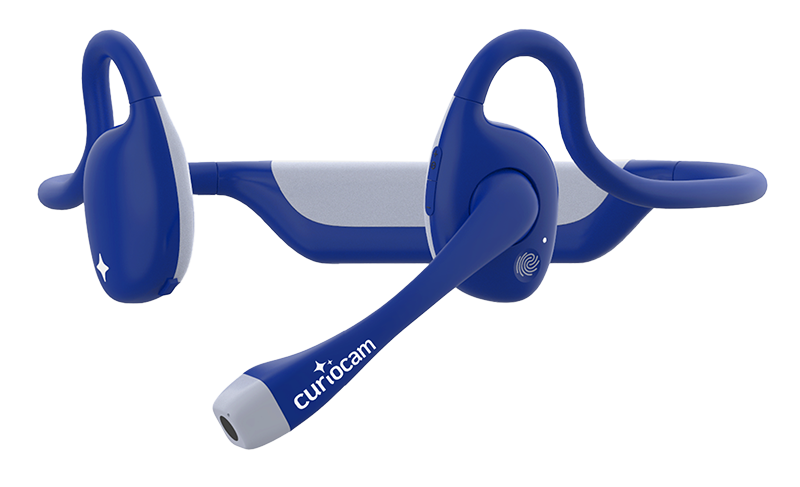
By untethering AI from the screen, CurioCam helps young learners transcend passive knowledge consumption and rediscover the joy of asking, observing, and understanding.
Learn more about CurioCam ->Stay curious. Subscribe for new articles, CurioCam updates, and the occasional thought that refuses to stay in draft mode. Unsubscribe anytime.
View our privacy policy for details.










Join the discussion